As utility-scale energy infrastructure continues to evolve, effective maintenance has become a critical requirement for long-term system reliability. For utility scale battery storage, maintenance practices directly influence operational safety, performance stability, and asset longevity. At HiTHIUM, we approach maintenance as an integrated part of system design and operation rather than a standalone service activity. By aligning maintenance strategies with real-world grid demands, we ensure that utility scale battery storage systems remain dependable across diverse power generation scenarios.
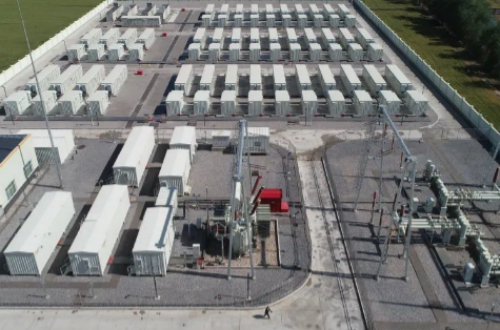
Preventive maintenance is fundamental to maintaining stable operation in utility scale battery storage environments. Our systems are designed to support structured inspection routines that focus on electrical connections, thermal management, and enclosure protection. Through continuous system-level monitoring, we evaluate voltage balance, temperature trends, and operational consistency to detect potential issues before they affect availability. These practices are especially important for utility scale battery storage projects that operate under variable load conditions, such as peak shaving and grid balancing, where equipment is frequently cycled and exposed to changing environmental factors.
On the power generation side, energy storage is primarily applied to peak shaving, dynamic support, system frequency regulation, and renewable energy integration. Maintenance strategies must therefore reflect the high responsiveness and cycling intensity required in these applications. Our battery energy storage systems are engineered to support rapid commissioning and stable performance through advanced Battery Management Systems that coordinate real-time monitoring and control. Maintenance activities prioritize battery consistency, communication reliability, and response accuracy to ensure that utility scale battery storage systems can effectively stabilize the grid, optimize power generation output curves, and reduce wind and solar curtailment.
Sustaining long-term reliability requires maintenance practices that evolve with operational data. By analyzing system performance trends over time, we refine maintenance schedules and adjust inspection priorities to match actual usage patterns. This data-driven approach supports improved system inertia and frequency regulation capabilities, helping increase the share of renewable energy in the power mix. For utility scale battery storage projects, such optimization enhances energy efficiency while reducing operational risk. Our focus remains on maintaining predictable system behavior rather than maximizing short-term output, supporting stable grid operation under both normal and peak conditions.
Maintenance best practices play a decisive role in preserving the long-term value of utility scale battery storage assets. Through preventive inspection, application-specific maintenance strategies, and continuous performance evaluation, we support reliable power generation and grid stability. At HiTHIUM, maintenance is treated as a lifecycle commitment that aligns technical reliability with evolving energy system requirements, ensuring that utility scale battery storage remains a practical and resilient solution for modern power infrastructure.




 Previous: