Growing interest in grid stability has encouraged many organizations to evaluate how HiTHIUM solutions contribute to modern energy infrastructure. When we examine utility scale battery storage, we look closely at how these systems support renewable integration, deliver peak-shaving capabilities, and improve grid flexibility under fluctuating power conditions. These benefits make large-scale storage an essential part of future energy planning. At the same time, we recognize that every storage project carries practical limitations, including installation complexity and long-term operational planning. By presenting these factors transparently, we aim to help customers understand the realistic performance of utility scale battery storage companies and how different technical choices influence investment outcomes.
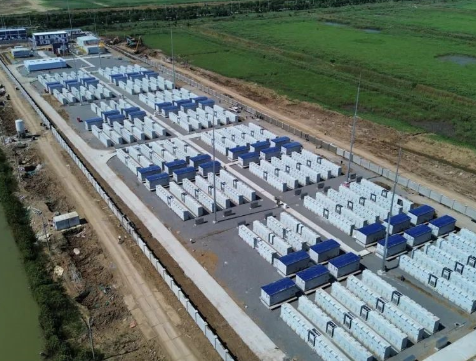
Our evaluation of utility scale battery storage often highlights fast response performance, which enables operators to manage sudden demand changes and renewable fluctuations. This responsiveness is one of the system's most meaningful advantages in actual grid applications. However, challenges also exist. For example, battery storage requires well-structured maintenance strategies, accurate life-cycle estimation, and clear integration coordination with existing grid assets. These considerations apply to all utility scale battery storage companies, and we emphasize them because responsible planning is essential for long-term system reliability. By focusing on technical clarity rather than overstated claims, we provide customers with balanced insights that support sound decision-making.
When project owners compare different solutions, they often request deeper visibility into manufacturing processes and technology development. To support these assessments, we share our Comprehensive Industry Chain Map, which outlines our capabilities in material development, battery production, system integration, and battery recycling. These stages form a complete value chain that helps customers understand the factors influencing the performance of utility scale battery storage systems. Presenting this information allows users to compare utility scale battery storage companies using objective technical indicators instead of surface-level product descriptions. This approach supports more informed selections in projects that require long-term operational stability.
Our goal is to provide straightforward, technically grounded guidance for organizations evaluating large-scale storage solutions. By examining both the strengths and constraints of utility scale battery storage, we help project owners develop realistic expectations and select solutions that align with their operational requirements. Through our integrated industry chain, we also offer transparent information that supports meaningful comparisons among utility scale battery storage companies. This balanced perspective ensures that customers approach system planning with confidence and a strong understanding of what each technology can deliver over its full life cycle.




 Previous: