At HiTHIUM, we recognize that utility scale battery storage providers must meet stringent local grid codes to ensure safe and efficient power delivery. Grid codes define technical requirements for connecting energy storage systems to the grid, including voltage regulation, frequency response, fault protection, and power quality standards. Compliance involves both hardware and software considerations, as batteries must interact seamlessly with transformers, inverters, and grid management systems. As a utility scale battery storage manufacturer, our company carefully designs HiTHIUM BESS to meet these standards, helping grid operators maintain stability during peak demand or unexpected fluctuations. Observing local regulations is not only essential for legal operations but also supports long-term reliability of renewable integration and energy management strategies.
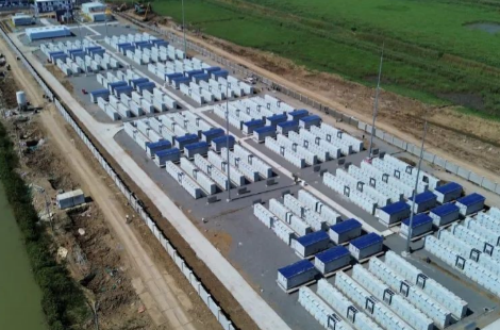
Our company approaches compliance from the earliest stage of system design. HiTHIUM BESS modules undergo rigorous testing under diverse grid conditions, including short-circuit events, frequency deviations, and reactive power disturbances. Through our core technological advantages and forward-looking R&D capabilities, we ensure that our energy storage systems satisfy the technical and safety requirements of multiple regions. The Comprehensive Industry ChainMap at HiTHIUM covers the full energy storage lifecycle—from material development and battery production to system integration and battery recycling. This end-to-end capability allows our team to address potential operational risks and maintain compliance throughout installation, operation, and maintenance stages, ensuring a secure and reliable energy supply for utilities.
Utility scale battery storage plays a crucial role in modern energy grids by enabling load balancing, peak shaving, frequency regulation, and renewable energy integration. Our company works closely with grid operators to implement systems that can respond rapidly to voltage and frequency deviations. HiTHIUM BESS also supports ancillary services such as spinning reserve and reactive power compensation, directly aligning with local grid code requirements. By optimizing system performance, reliability, and maintainability, we help utilities manage energy resources efficiently without compromising compliance. Additionally, our lifecycle management approach ensures that system upgrades, maintenance, and software improvements keep utility scale battery storage operations fully aligned with evolving regulatory standards.
Maintaining grid code compliance is an ongoing process. HiTHIUM emphasizes continuous monitoring, adaptive control, and proactive maintenance to ensure that our HiTHIUM BESS solutions consistently meet regulatory expectations. As an experienced utility scale battery storage manufacturer, we anticipate future regulatory changes and integrate them into system planning and design. Our complete lifecycle approach, supported by the Comprehensive Industry ChainMap, allows us to deliver solutions that not only comply with current grid codes but also enhance energy efficiency and sustainability. By combining advanced technology with regulatory awareness, our company empowers utilities to adopt energy storage confidently, promoting reliable and responsible renewable energy deployment.




 Previous: